PREGNANCY SHOULDN’T MEAN LIVING WITH PAIN
A stronger, more comfortable pregnancy, one trimester at a time
Clear, step-by-step physiotherapy guides for back pain, pelvic pain, swelling and pelvic floor health, created by a Women’s Health Physiotherapist and Lactation Consultant.
Aches are common in pregnancy. Putting up with them isn’t the only option.
Your body changes week by week: your posture shifts, your joints loosen and your growing baby puts new pressure on your back, pelvis and legs. Most mothers are told this is “just pregnancy” and sent home without a plan.
Pregnancy to Postpartum Roadmap gives you that plan. Each guide tackles one specific problem, explains why it’s happening, and shows you exactly what to do: the exercises, the positions and the daily habits that ease pain and prepare your body for birth.
Prepare Your Body for Pregnancy
Pelvic Floor Health
Hormones and your baby’s growing weight change how your pelvic floor works. Understanding it now helps prevent leaks and supports an easier recovery after birth.
Strength Building
Gentle, safe strengthening for your back, hips and legs keeps you moving comfortably through every trimester.
Pain Relief That Works
Heat, positioning and simple stretches ease back and pelvic pain without guesswork. Each guide tells you how long, how often and when to stop.
Everyday Comfort
Small changes to how you sit, stand, lift and sleep take strain off your body at home, at work and on the go.
START WHERE IT HURTS
Your Antenatal Roadmap
Most pregnancy aches come from two places: your back and pelvis, and your legs and feet. Pick your row and follow the steps in order, from quick relief to lasting comfort.
Back and pelvic pain
Step 1
Ease the pain now
Heat Application · Free
Four safe ways to use heat, a body map of where heat is safe (and where it isn’t), how long to apply it, and a pain log to track progress.
Step 2
Strengthen and stretch
Back Exercises during Pregnancy · ₹249
Illustrated stretching and strengthening exercises for your back, pelvis and legs, with reps and frequency for the second and third trimesters. Most need no equipment.
Step 3
Stop it coming back
Ergonomic Advice for Back · ₹149
How to lift, carry, cook, sit and stand at home and at work without straining your back, plus three common habits that undo your progress.
Ankle and foot swelling
Step 1
Prevent it
Preventive Measures for Ankle & Foot Swelling · Free
Why swelling happens, what’s normal, and a daily prevention checklist covering elevation, movement, footwear, sleep and hydration.
Step 2
Treat it
Ankle & Foot Swelling: Exercises & Ergonomic Guide · ₹249
Six illustrated exercises, ergonomic tips for home, work and travel, a sample daily routine and a 7-day swelling log to take to your antenatal visits.
Not sure where to begin? Start with a free guide in either row. Each one tells you which step you need next.
Bonus
Gentle Mama Door Sign
Free printable
A printable “resting, please knock gently” sign for the last weeks of pregnancy and the newborn days.
Pelvic floor
What happens to your pelvic floor in pregnancy?
Your pelvic floor is the group of muscles that supports your bladder, bowel and uterus. In pregnancy, hormones soften your tissues, your posture shifts and the growing weight of your baby presses down on these muscles every day.
Leaking a little when you cough, sneeze or exercise, a feeling of heaviness in your pelvis, or needing to rush to the toilet are all signs your pelvic floor is under strain. They’re common, but they’re not something you simply have to accept.
These changes deserve attention rather than being accepted as part of pregnancy. Knowing how your pelvic floor works now helps you protect it through birth and recover more easily afterwards.

Meet your guide
Guidance from someone who does this every day
I’m Prachi Shetye, a Women’s Health Physiotherapist and Lactation Consultant. I help mothers through back pain, pelvic pain, swelling and pelvic floor changes in pregnancy, using the same exercises and advice I give in clinic.
Every guide is written to be followed at home: illustrated, step by step, with exactly how many reps, how often, and when to stop.
Prachi Shetye, Women’s Health Physiotherapist and Lactation Consultant
When a guide isn’t enough
Please contact your gynaecologist or doctor promptly if you notice:
- Sudden swelling in your face, hands or feet
- Swelling, pain or redness in only one leg
- Swelling with a headache, blurred vision or upper tummy pain
- Back pain with fever, burning when you pass urine, or bleeding
- Regular tightening or cramping before 37 weeks
- Leaking fluid from the vagina, or your baby moving less than usual
Our guides are educational resources and don’t replace your antenatal care. Check with your gynaecologist before starting any new exercise in pregnancy.
Frequently Asked Questions
Is it safe to exercise during pregnancy?
Yes, for most healthy pregnancies it is good to exercise mildly, mainly in second and third trimester. It is very important to get your Dr’s approval because sometimes there could be certain positions or activities which are not recommended for you.
Which trimester are these guides for?
The back exercises are for the second and third trimesters. The swelling and ergonomic guides focus on the third trimester, when these problems are most common. Each product page lists its trimester.
Which guide should I start with?
For back or pelvic pain, start with the free Heat Application guide. For swollen ankles or feet, start with the free Preventive Measures guide. Each one points you to the right next step.
How do I receive my guide?
Every guide is an instant PDF download. After checkout you’ll get a download link on screen and by email. Read it on your phone, tablet or computer, or print it.
Are the free guides really free?
Yes. Add the guide to your cart and check out at ₹0, with no payment details needed.
Can I get a refund?
All our guides are digital downloads delivered instantly, so all sales are final. Please read the product description before you buy, and email us if you have a question first.
I have a question that isn’t answered here.
Email info@pregnancypostpartumroadmap.com or message us on WhatsApp at +91 8446175942.
Antenatal Physiotherapy Resources
-
Ankle & Foot Swelling in Pregnancy: Exercises & Ergonomic Guide (Third Trimester PDF)
₹249.00 Add to cart -
Preventive Measures for Ankle & Foot Swelling in Pregnancy – Free PDF Guide
₹0.00 Add to cart -
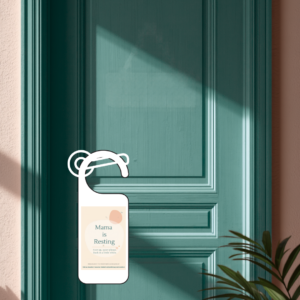
Gentle Mama Door Sign
₹0.00 Add to cart -
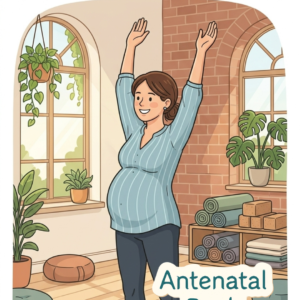
Back Exercises during Pregnancy (Antenatal Back Pain Series)
₹249.00 Add to cart -
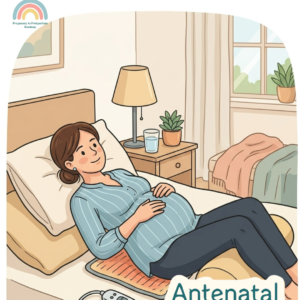
Heat Application (Antenatal Back Pain Series)
₹0.00 Add to cart -
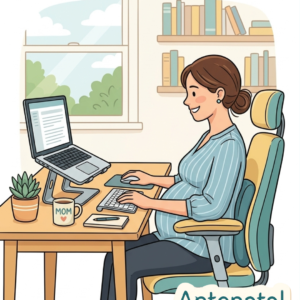
Ergonomic Advice for Back (Antenatal Back Pain Series)
₹149.00 Add to cart
Get ready for birth, feeling stronger
You don’t have to put up with pain until your baby arrives. Start with a free guide and take it one day at a time.
The information on this page and in our guides is for educational purposes and is not a substitute for individual medical advice or antenatal care. Always check with your gynaecologist before starting new exercises. If you have bleeding, sudden swelling, severe pain or reduced baby movements, contact your healthcare provider straight away.