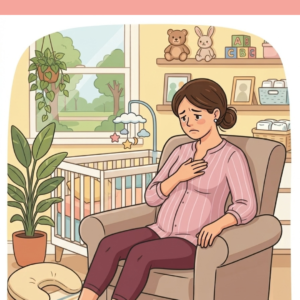
Breastfeeding shouldn’t hurt this much
Comfortable breastfeeding starts with the right guidance
Clear, step-by-step lactation guides for latch, sore nipples, pumping and milk supply — created by a Women’s Health Physiotherapist and Lactation Consultant.
You’re not doing it wrong. You just haven’t been shown.
Breastfeeding is natural, but it isn’t automatic. Most mothers are sent home after a few minutes of help in hospital, and then the real questions start: why does this feed hurt, is baby getting enough, is my pump the problem?
Pregnancy to Postpartum Roadmap brings lactation guidance for you and your baby together in one place. Each guide tackles one specific problem, explains what’s causing it, and gives you a clear plan for your next feed — so you can stop guessing and start feeding with confidence.
Why It’s Important
A Comfortable Latch
A deep latch protects your nipples and helps your baby draw milk effectively — the foundation of comfortable feeding and a steady milk supply.
Healing Sore Nipples
Nipple pain is common, but it’s a signal, not something to push through. Finding the cause early means healing in days rather than weeks.
Pumping That Protects Supply
The right flange size, suction setting and schedule keep pumping comfortable and keep your supply steady while you’re away from your baby.
Knowing When to Seek Help
Some symptoms need more than a guide. Every resource tells you clearly which signs mean it’s time to see a doctor or lactation consultant in person.
Start where it hurts
Your Sore Nipple Roadmap
Sore nipples are one of the most common reasons mothers stop breastfeeding early. Follow these four steps in order — from quick relief to a comfortable, lasting routine.
Step 1
Find the cause
Quick Fix for Sore Nipples · Free
Is it your baby’s latch or your breast pump? Learn how to tell the difference, what to change today, and why you shouldn’t skip feeds while you heal.
Step 2
Fix the latch
Basics of Breastfeeding Latch · ₹149
The four components of a correct latch, signs of a good and poor latch, and four illustrated holds, including positions for after a C-section and night feeds.
Step 3
Fix the fit
Nipple Shield and Flange Sizing Guide · ₹149
Rubbing, pinching or low milk flow often come down to the wrong size. Measure and fit-check your nipple shield and pump flange at home in minutes.
Step 4
Return to full feeds
Gradual Reintroduction to Breastfeeding and Pumping · ₹99
A day-by-day plan to rebuild direct feeds and pumping sessions at the pace your healing nipples need, so the pain doesn’t come back.
Not sure where to begin? Start with Step 1 — it’s free, and it tells you which step you need next.
Breastfeeding
Is breastfeeding supposed to hurt?
Some tenderness in the first few days is common as you and your baby learn together. But pain that lasts through the part or whole feed, rather than easing within the first 30–60 seconds, is a sign that something needs adjusting — usually the depth of the latch, your baby’s position, or the fit of your pump flange.
Creased or “lipstick-shaped” nipples after a feed, clicking sounds while baby sucks, or cracks that keep reopening are all clues worth paying attention to. They tell you where the problem is, which tells you how to fix it.
These changes deserve attention rather than being accepted as something you simply have to live with. With the right adjustments, most mothers feel a difference within a few feeds.
More Breastfeeding Guides on the Way
Coming soon
Pumping Without Dropping Supply
How to match your pump schedule to your baby’s feeds, get a full letdown, and keep your supply steady at work or on the go.
Coming soon
Build Your Breast Milk Supply
A complete, step-by-step programme for mothers worried their supply is low — what actually works, and what doesn’t.
Want to know when these launch? Download the free Sore Nipple guide and you’ll be first to hear.

Meet your guide
Guidance from someone who does this every day
I’m Prachi Shetye, a Women’s Health Physiotherapist and Lactation Consultant. I’ve helped hundreds of mothers through sore and cracked nipples, latch problems, pumping pain and dropping milk supply — using the same protocols I use in clinic.
These guides exist because breastfeeding questions rarely arrive during office hours. They’re written to be read on your phone, mid-feed, at any hour — calm, clear, one step at a time.
Prachi Shetye
Women’s Health Physiotherapist and Lactation Consultant
When a guide isn’t enough
Please contact your doctor or a lactation consultant promptly if you notice:
- Fever, chills or flu-like symptoms
- A red, hot, painful or hard area on the breast
- Cracks that aren’t starting to heal within a week, or that look infected
- Deep breast pain during or after feeds that doesn’t ease
- A sudden, sharp drop in milk supply
- Your baby has fewer wet nappies, isn’t gaining weight, or seems unusually sleepy at feeds
Our guides are educational resources and don’t replace individual medical or lactation care.
Frequently Asked Questions
How do I receive my guide?
Every guide is an instant PDF download. After checkout you’ll get a download link on screen and by email. Read it on your phone, tablet or computer, or print it.
Is the free guide really free?
Yes. Add the Quick Fix for Sore Nipples guide to your cart and check out at ₹0 — no payment details needed.
Which guide should I start with?
If feeds or pumping hurt, start with the free Quick Fix guide. It helps you work out whether the cause is your latch or your pump, and points you to the right next step.
Can I read these while I’m still pregnant?
Yes. Many mothers read the latch guide before their baby arrives, so they know what a good latch looks like from the very first feed.
Do these guides replace a lactation consultation?
No. They’re educational resources that help you understand and manage common problems. If you have signs of infection or your baby isn’t feeding well, please see a doctor or lactation consultant in person.
Can I get a refund?
All our guides are digital downloads delivered instantly, so all sales are final. Please read the product description before you buy, and email us if you have a question first.
I have a question that isn’t answered here.
Email info@pregnancypostpartumroadmap.com or message us on WhatsApp at +91 8446175942.
Breastfeeding Resources
Feed with confidence
You don’t have to work this out alone. Start with the free guide and take it one feed at a time.
The information on this page and in our guides is for educational purposes and is not a substitute for individual medical or lactation consultation. If you have signs of infection, fever or worsening pain, please consult your healthcare provider.